

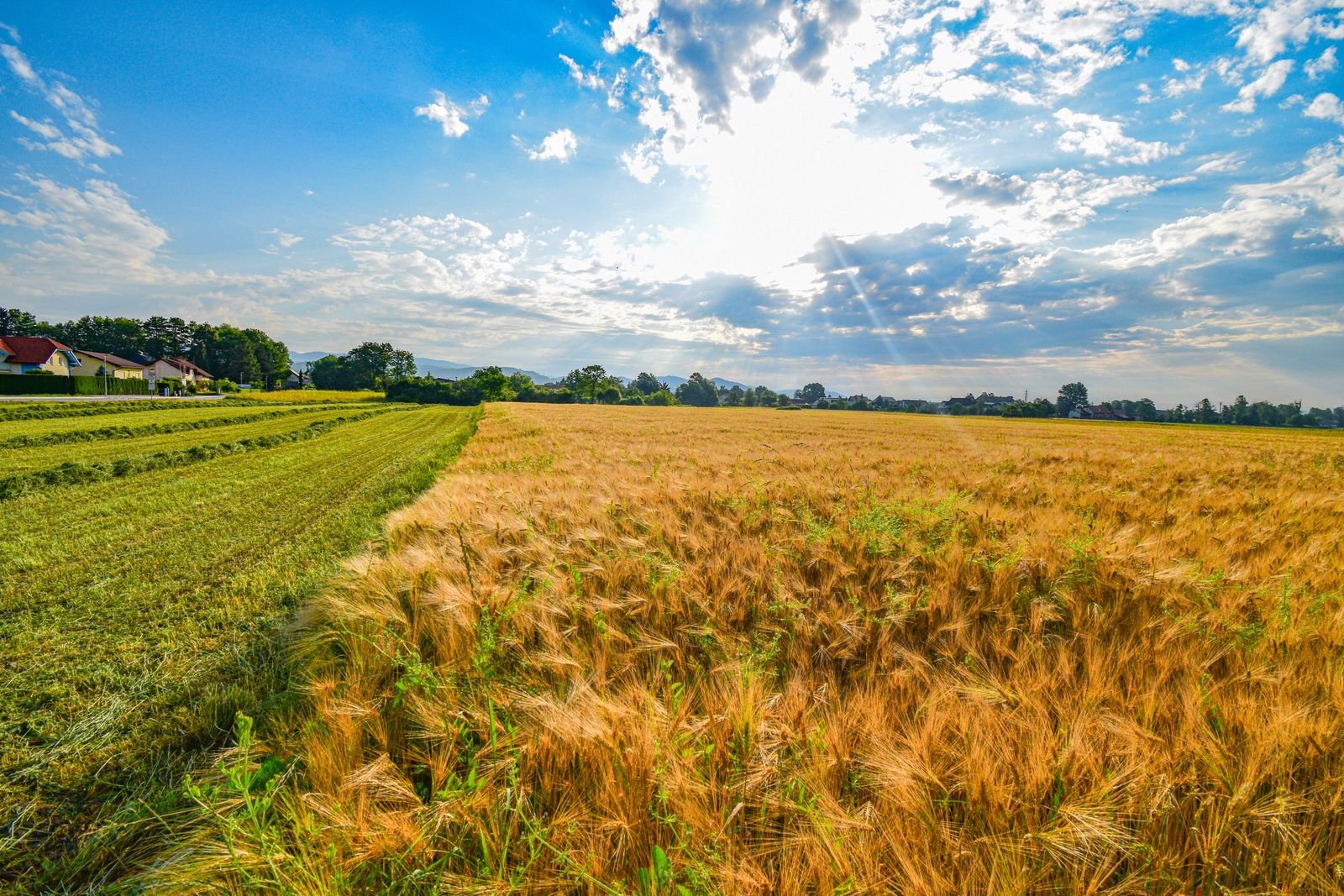
Agricultural research has always faced a peculiar problem: the people who could benefit most from a study — extension officers, farmers, regional agronomists — are often the least likely to have access to the journal it's published in.
Why open access matters more in agriculture
Unlike many basic sciences, agricultural research has an unusually short distance between publication and practical application. A study on drought tolerant wheat genotypes isn't just academically interesting — it can directly inform which seed a farmer plants next season. When that research sits behind a paywall, the gap between discovery and adoption widens.
What changes for authors
Open access doesn't change how a manuscript is peer reviewed — it changes what happens after acceptance. Your paper is freely readable from day one, citable without a subscription, and typically indexed faster by the search tools and aggregators that extension services actually use.
Our commitment
JABS has published as a fully open access journal since its first issue, with no reader side paywall on any article in the archive. We believe that's the right model for a field where research findings are meant to travel — from the lab, to the field, to the next harvest.